SPEC SHEETS

SPEC SHEETS OF FIBERS AND SEEDS

FIBER: IRACA PALM

spec sheet

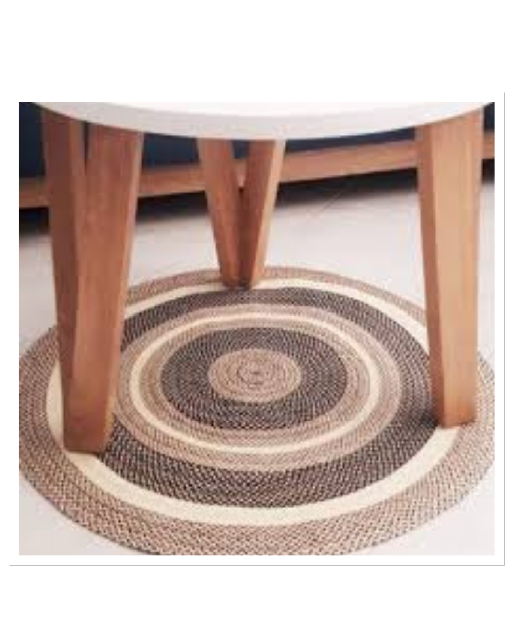
Ancestral Roots: Practiced for centuries by artisan communities, iraca weaving is passed down from grandmothers to granddaughters, a living tradition that sustains thousands of families across Sandoná and Usiacurí. Today, this ancestral craft reaches global markets while remaining rooted in its people.

A Living Economy: Iraca weaving sustains the livelihoods of thousands of artisan families. It provides flexible income compatible with domestic roles and seasonal agricultural cycles, making it a cornerstone of the rural social economy in southwestern Colombia and the Caribbean coast.

FIBER: IRACA PALM

spec sheet

FIBER: Seje Palm

spec sheet

Rooted in the Caribbean: Palma Seje is harvested and woven by small artisan communities along the Caribbean coast, particularly in Ayapel, Córdoba.

Its distinctive knotted and interlaced technique reflects a deep local knowledge of the palm’s natural properties, kept alive by families who have worked with it for generations.

A Rare and Exclusive Craft: Because of the skill and time each piece demands, Palma Seje production remains intentionally small.
This exclusivity is not a limitation; it is a mark of the craft’s depth and a testament to the dedication of the few communities that still master it.

FIBER: Seje Palm

spec sheet

FIBER: Cañaflecha

spec sheet

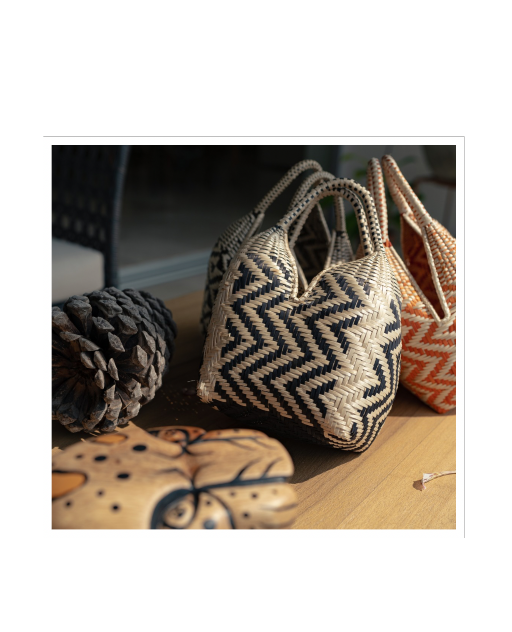
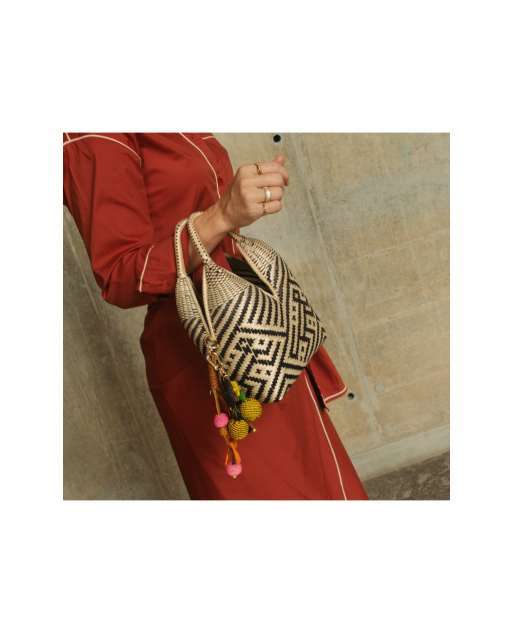
The Craft of the Zenú People: Cañaflecha weaving is the ancestral craft of the Zenú people, recognized worldwide for its bold geometric patterns.

The technique, developed over centuries in the floodplains of Córdoba and Sucre, is a symbol of cultural resistance and indigenous pride, still woven the same way it has been for hundreds of years.

Weaving as Resistance:For the Zenú communities, cañaflecha is more than craft; it is a declaration of identity.

Through decades of social and political change, the tradition has endured as a form of cultural continuity, practiced collectively by women who carry the knowledge and pass it on with every
thread.

FIBER: Cañaflecha

spec sheet

FIBER: WERREGUE

spec sheet

Sacred Craft of the Wounaan: Cañaflecha weaving is the ancestral craft of the Zenú people, recognized worldwide for its bold geometric patterns.

The technique, developed over centuries in the floodplains of Córdoba and Sucre, is a symbol of cultural resistance and indigenous pride, still woven the same way it has been for hundreds of years.

A Community’s Identity: For the Wounaan, weaving is
not a trade but a form of cultural expression and
resistance. The craft sustains entire communities in
Chocó, where artisans pass down intricate techniques
and symbolic patterns from one generation to the
next, keeping their worldview alive through every
coil and figure

FIBER: WERREGUE

spec sheet

FIBER: FIQUE

spec sheet

Highland Roots: Fique has been cultivated and woven in the Andean highlands for centuries.In Curití and Guacamayas, entire communities depend on fique production.

Its thick, durable fibers are worked using spiral coiling and braiding techniques that reflect a deep Andean craft heritage shared across generations.

A Community Backbone: In Santander, fique is not just a material; it is the economic backbone of many rural
households.

Families grow, harvest, and weave the
fiber together, making it one of Colombia’s most
community-integrated crafts, where every step of the
process stays within the community.

FIBER: FIQUE

spec sheet

FIBER: Sara Palm

spec sheet

Woven Along the Magdalena: Along the banks of the Magdalena River, the artisans of Magangué have long worked with Palma Sara to create hats, bags, and home
goods.

Magangué sits at the heart of Colombia’s most extensive wetland system, where rivers, ciénagas, and floodplains define the rhythm of daily life. It is known as “la capital de los ríos” — the capital of the rivers.

An inherited tradition and craft: that is almost entirely carried by women.

Daughters of fishermen and artisans, they grew up adapting their lives to a territory shaped by water, and Palma Sara became their primary way of generating independent income, creating hats, baskets, fans, and home goods sold in the neighbouring towns and cities.

FIBER: Sara Palm

spec sheet

FIBER: Paja Tetera

spec sheet

Paja Tetera grows along the riverbanks of Colombia’s Pacific region: where the Eperara Siapidara people of Cauca have cultivated and woven it for generations.

For them, it was never just a craft, it was a daily tool, shaped by the community for the community, with every basket carrying the ritual symbols of their culture.
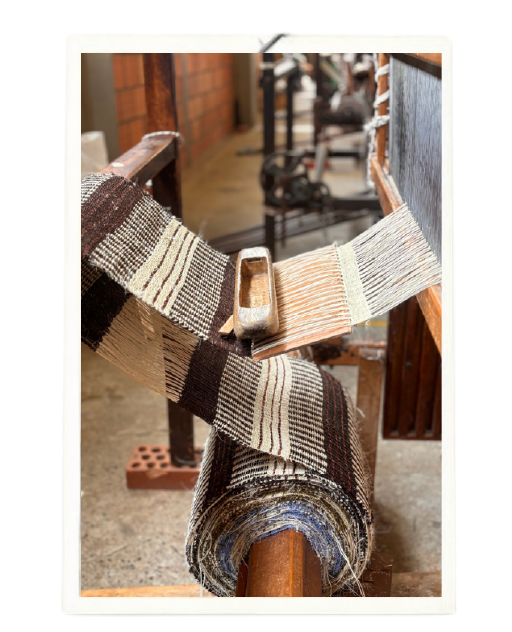
The knowledge passes from mother to daughter without ceremony: Women’s collectives have made paja tetera a symbol of resilience and economic independence.

In Guangüí, where the crops were destroyed by armed conflict in 2014, and the
community was forced into displacement, their return to weaving marked something deeper than a craft revival — it was an act of cultural survival.

FIBER: Paja Tetera

spec sheet

SEED: Tagua

spec sheet

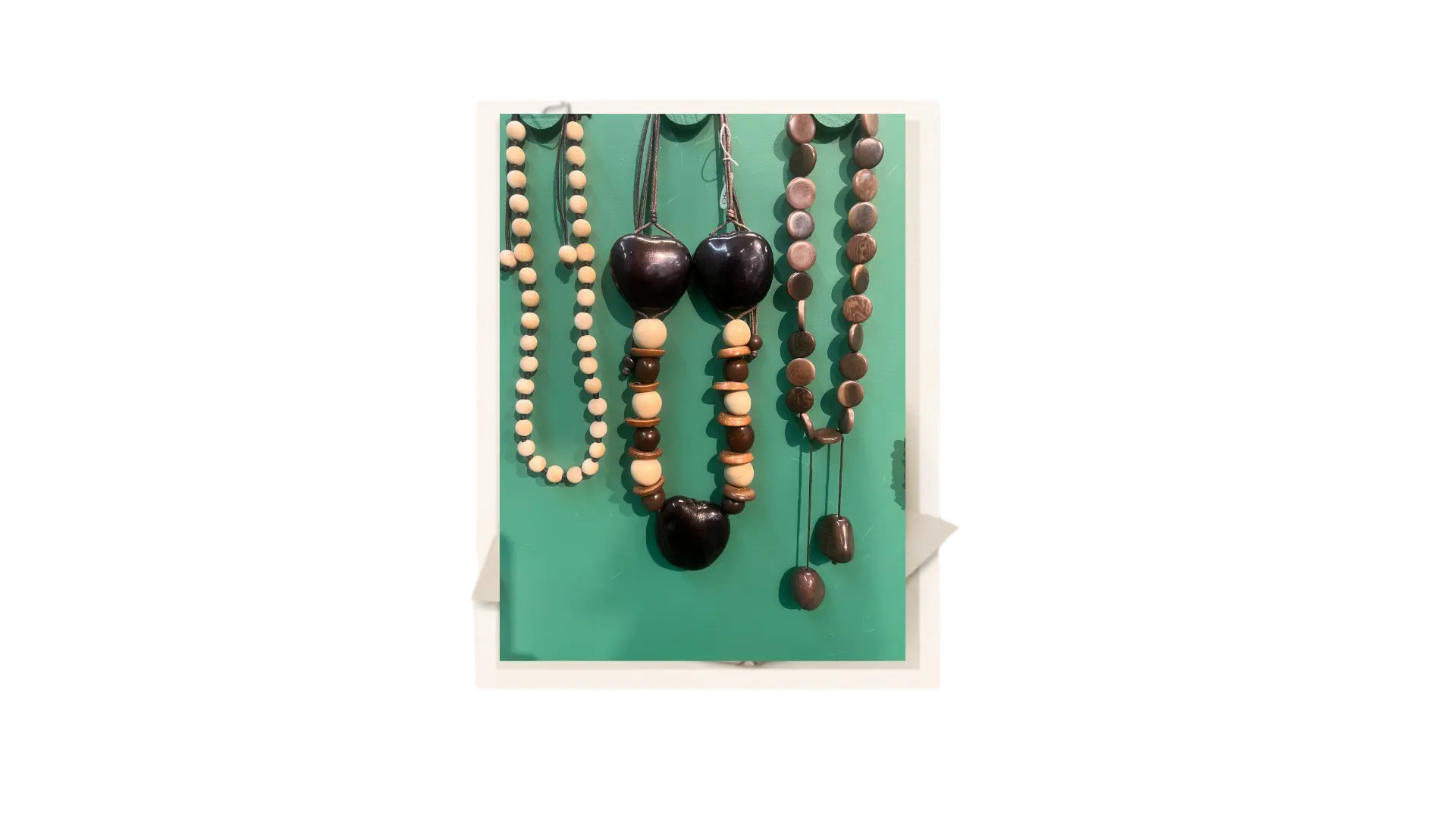
Vegetable Ivory, Human Hands: Tagua has been carved and traded by Pacific Coast communities for over a century.

Once a global alternative to elephant ivory for buttons and figurines, it remains a source of income and identity for artisan families who harvest, dry, and craft each seed entirely by hand.

Craft That Protects the Forest: Because tagua only grows in healthy rainforest ecosystems, the communities that work with it have a direct economic interest in protecting their environment.

The craft
creates a powerful link between cultural heritage,
sustainable livelihoods, and forest conservation.

SEED: Tagua

spec sheet

SEED: Acai

spec sheet

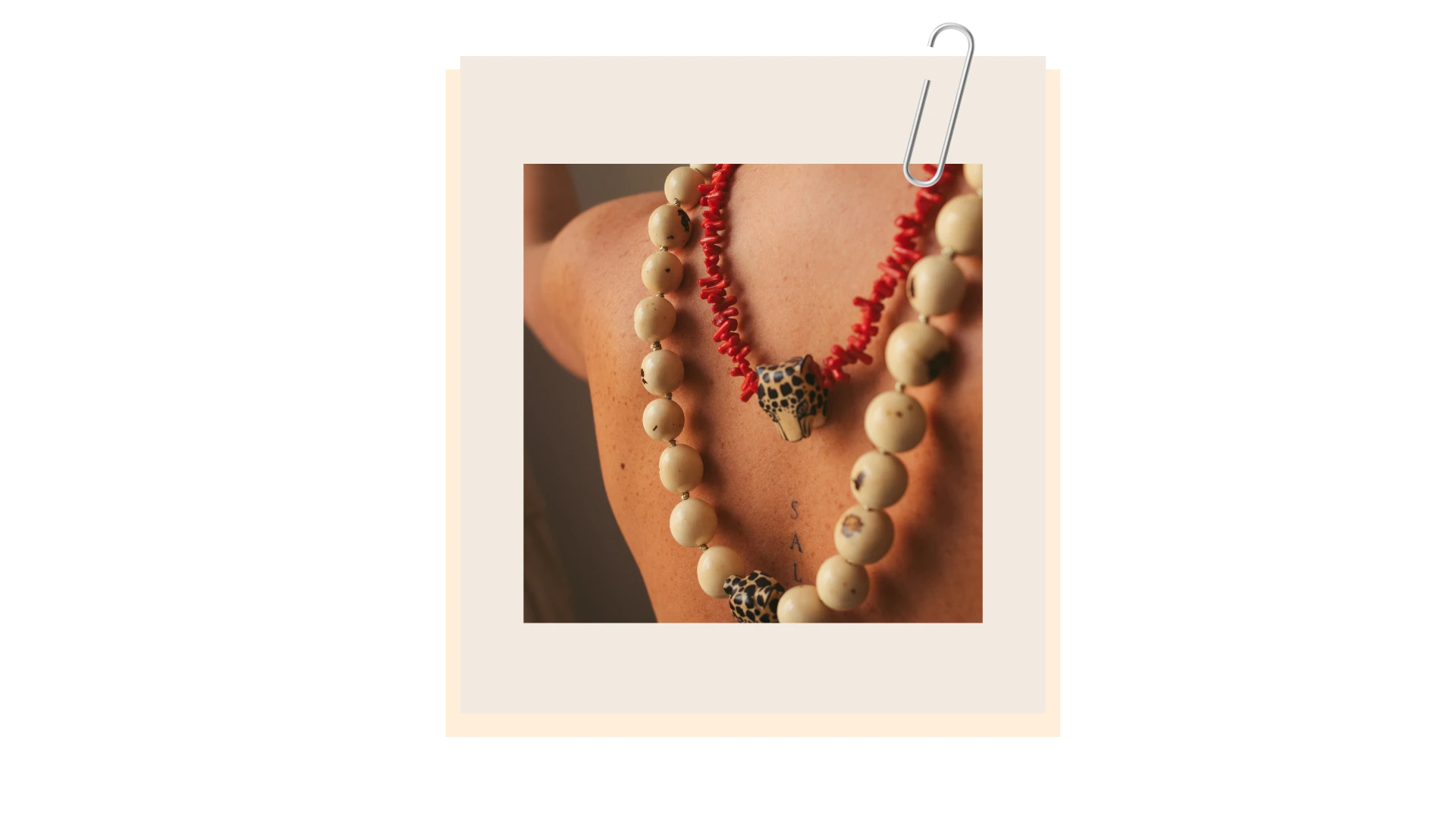
The açai palm has been part of Amazonian life for centuries, its fruit eaten, its leaves used for shelter, and its seeds worn as adornment by indigenous communities long before any outside market existed.

In Putumayo, deep in the Colombian Amazon, indigenous
communities have long tinted and strung the seeds into jewelry as part of their cultural tradition.

The açai seed’s more recent story is inseparable from the story of conflict and survival in the Colombian Amazon. For communities in Putumayo, açai harvesting became a sustainable alternative to coca cultivation, a way to earn a living from the forest without destroying it or entering the cycle of violence tied to illegal crops.

SEED: Acai

spec sheet

Tradition - Craft - Heritage